

What Are Hatch Cover Watertightness Tests?

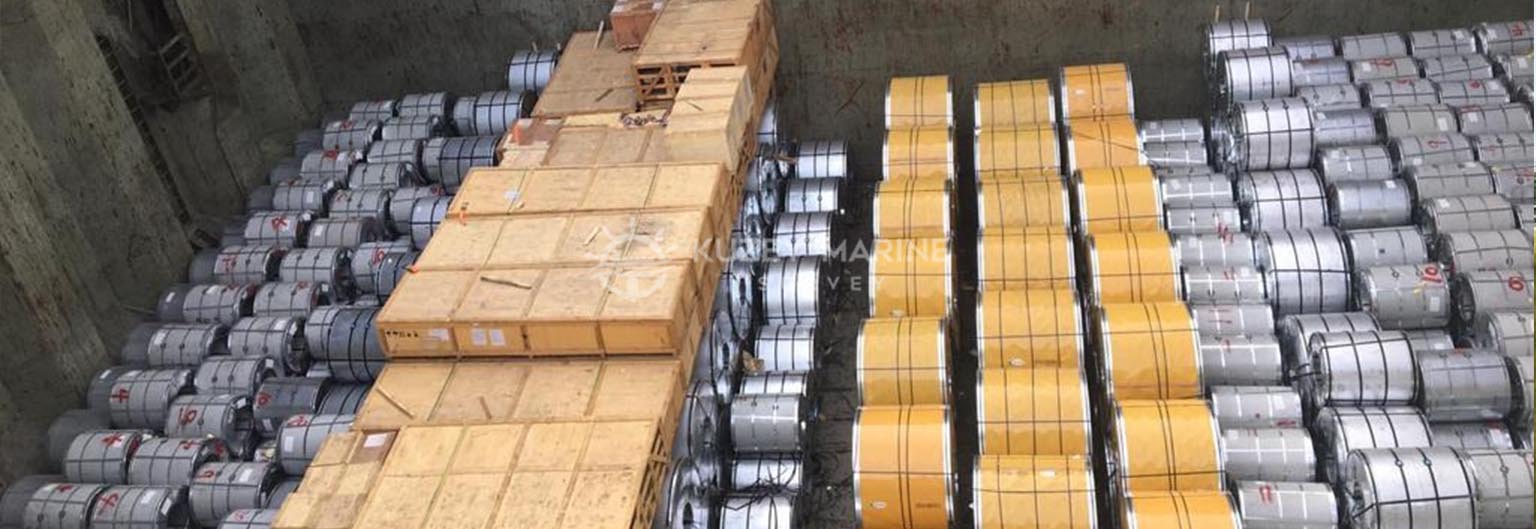
Hatch Cover Watertightness Tests are professional inspections designed to evaluate whether a vessel’s cargo holds are fully protected against seawater and moisture ingress under real maritime conditions. Their main purpose is to confirm that hatch covers, sealing arrangements, compression bars, gaskets and locking mechanisms maintain complete watertight integrity throughout the voyage. These tests are essential for vessels carrying steel products, grain, packaged goods, chemicals, machinery and other moisture-sensitive cargoes. Even a small amount of water ingress can lead to severe cargo damage, financial loss and insurance disputes.

International regulations, classification societies and insurance companies require vessels to conduct watertightness tests before departure. Conducting these tests with specialized surveyors ensures that potential risks are identified early, corrective actions are taken and the voyage proceeds safely.
How Are Hatch Cover Watertightness Tests Performed?

The inspection begins with a visual assessment. The surveyor examines the physical condition of the hatch cover panels, gaskets, compression bars, coamings, drainage channels, cleats and locking devices. Any deformation, rusting, gasket wear or improper closing alignment is noted. This step ensures that the structure is suitable for further testing.

The primary testing method used today is the Ultrasonic Hatch Cover Test, which offers precise and internationally accepted results. This method uses an ultrasonic transmitter placed inside the cargo hold and a receiver operated outside along the hatch cover perimeter. If there is any gap or leak path, ultrasonic sound escapes and is detected by the device. Each reading is recorded, allowing surveyors to determine exactly which areas fail to provide proper sealing.

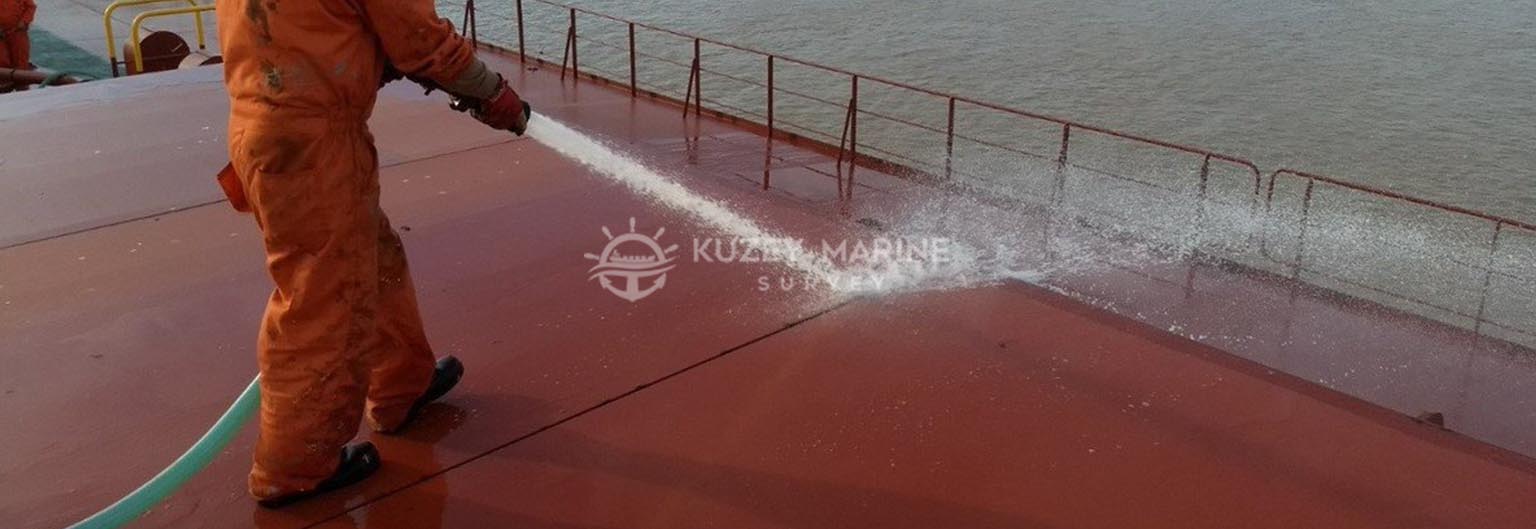
In some cases, supplementary hose tests may be performed. A controlled water spray is directed onto the hatch cover surface to simulate rainfall and test for water ingress. However, the hose test is less accurate than ultrasonic testing and is only accepted in certain ports as a secondary verification method.

Throughout the test, the surveyor systematically scans every section of the hatch cover, documenting results and identifying areas requiring maintenance. After the inspection, a detailed report is issued, including recommendations, photos and final evaluation. This report is a critical document for owners, charterers, shippers and insurers.

Importance of Hatch Cover Watertightness Testing

During a voyage, vessels encounter heavy rain, large waves, strong winds and significant temperature variations. These environmental factors place constant stress on hatch covers. If the sealing system fails, even minimal water ingress can damage cargo. Steel cargo may corrode, grain may spoil, packaged goods may deform and machinery may suffer operational issues. In some cases, water ingress can impact vessel stability.

Watertightness tests greatly reduce these risks by ensuring that hatch covers maintain full integrity throughout the voyage. They also help shipowners avoid costly insurance claims, cargo disputes and operational delays. For sensitive cargoes, these tests are considered mandatory.

Ultimately, Hatch Cover Watertightness Testing is a crucial element of maritime safety, protecting the vessel, crew and cargo while supporting efficient and reliable shipping operations.