



Factory fumigation is a professional gas treatment applied in production facilities, warehouses, processing zones, and industrial structures to eliminate pests and prevent contamination. Areas such as raw material storage rooms, packaging lines, silos, and loading depots are prone to insect infestation, which can disrupt production flow, damage product quality, and compromise export compliance. For this reason, fumigation in factory environments is essential for regulatory compliance and consistent production quality.
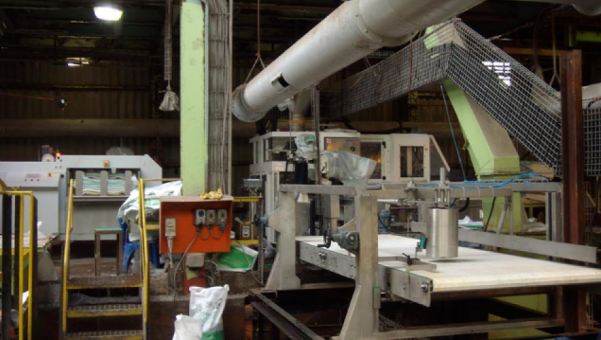
What Is Factory Fumigation?
How Is Factory Fumigation Performed?
The fumigation process begins with a detailed inspection of the facility. Production lines, storage areas, and transition zones are analyzed to identify risk points. Gas-tightness assessments are made, and necessary sealing processes are completed. The fumigant dosage is calculated according to the facility volume and the target pest species, strictly following international safety standards.
During the application, the entire area is sealed, and fumigant gas is released in a controlled manner. The concentration and exposure period are monitored using specialized instrumentation. After the fumigation period, the area is ventilated and gas levels are measured to ensure they are within safe human exposure limits. Only after clearance checks, the facility is reopened for normal operations. Worker safety and minimizing downtime are essential priorities throughout the procedure.
Why Is Factory Fumigation Necessary?
Factories—especially those processing or storing food—are naturally vulnerable to infestations. Any insect presence can lead to contamination, export rejection, production stoppages, or brand reputation damage. Regular and professional fumigation ensures compliance with international hygiene standards, protects the production chain, and maintains continuous workflow. It is a vital part of preventive pest management in industrial environments.