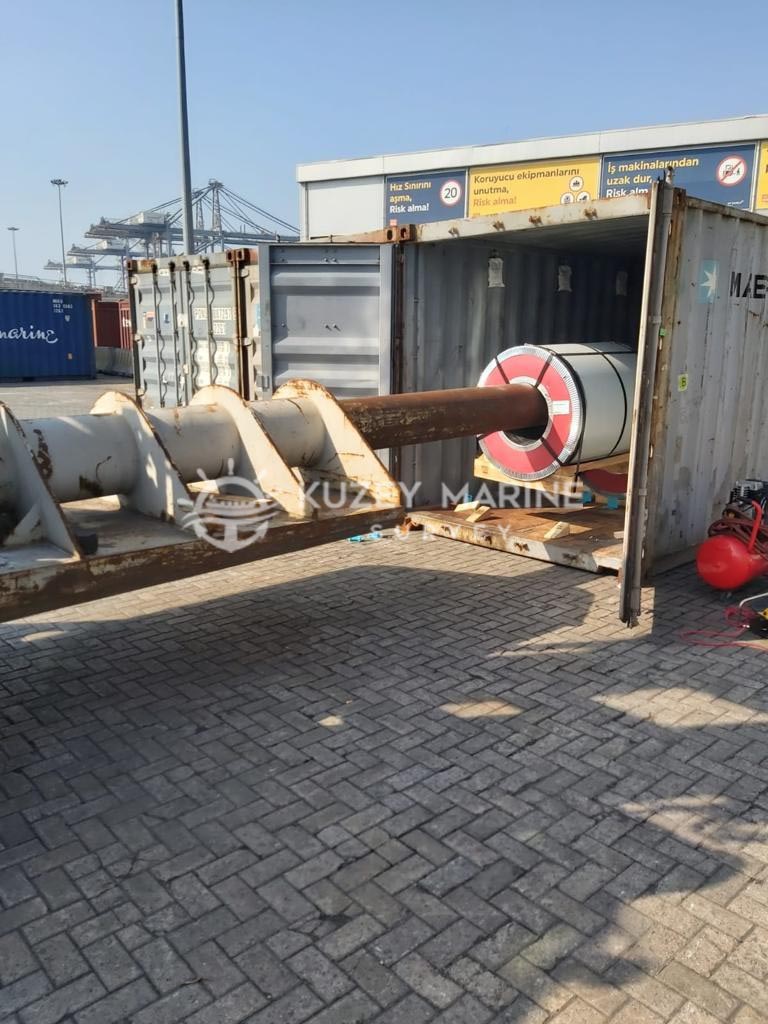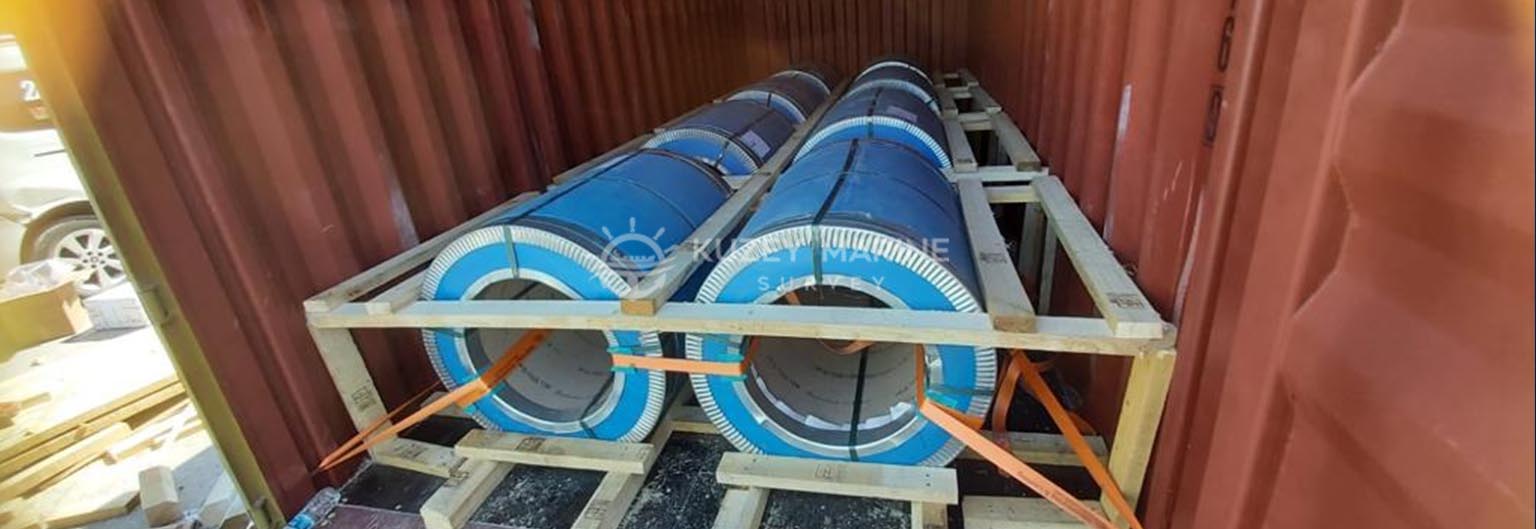



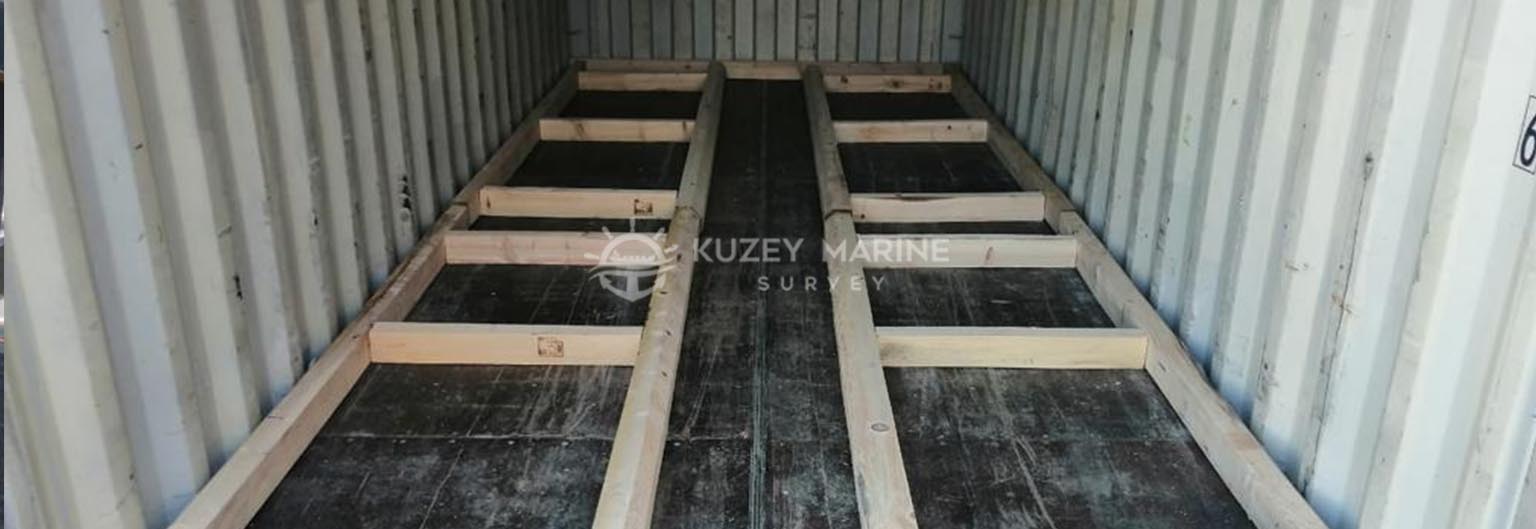
In maritime transport, cargo can be shipped by loading it into containers or directly into the ship’s holds. It is the responsibility of the shipper, or the recipient, depending on the agreement, to secure (lash) the materials loaded into the containers and onto the ship within the loaded vehicle and prevent damage during the long transit period.
Our experienced and professional team completes your securing operations for all container types. Container securing (lashing) requires knowledge and experience, and the materials used must be carefully selected.
Container securing (lashing) services are fundamentally a service that ensures the safety of cargo and cargo-carrying vehicles. If these critical processes are not performed correctly, the cargo can move even with minor wobbles in the moving vehicle or vehicle, causing the vehicle to lose its balance, veer off course, and suffer significant damage. Therefore, container lashing, which is crucial, should be procured from professional companies, and their certifications should be verified.
During the lashing process, securing the containers to the transport vehicle is as crucial as properly securing the cargo within the containers. Therefore, it’s crucial that the equipment used to secure the cargo within the containers is robust and complies with container lashing standards. These equipment used in container lashing services primarily include reusable items such as ropes, slings, anchors, planks, and netting.