



On-vehicle lashing refers to the methodical securing of vehicles—cars, trucks, construction machinery and special-purpose units—on a vessel’s deck or transport trailer for sea carriage. The goal is to prevent sliding, tipping or structural damage under dynamic conditions such as pitching, rolling, wind loads and acceleration. Kuzey Marine Survey provides engineering-led on-vehicle lashing services designed to preserve cargo integrity and satisfy insurers’ requirements.
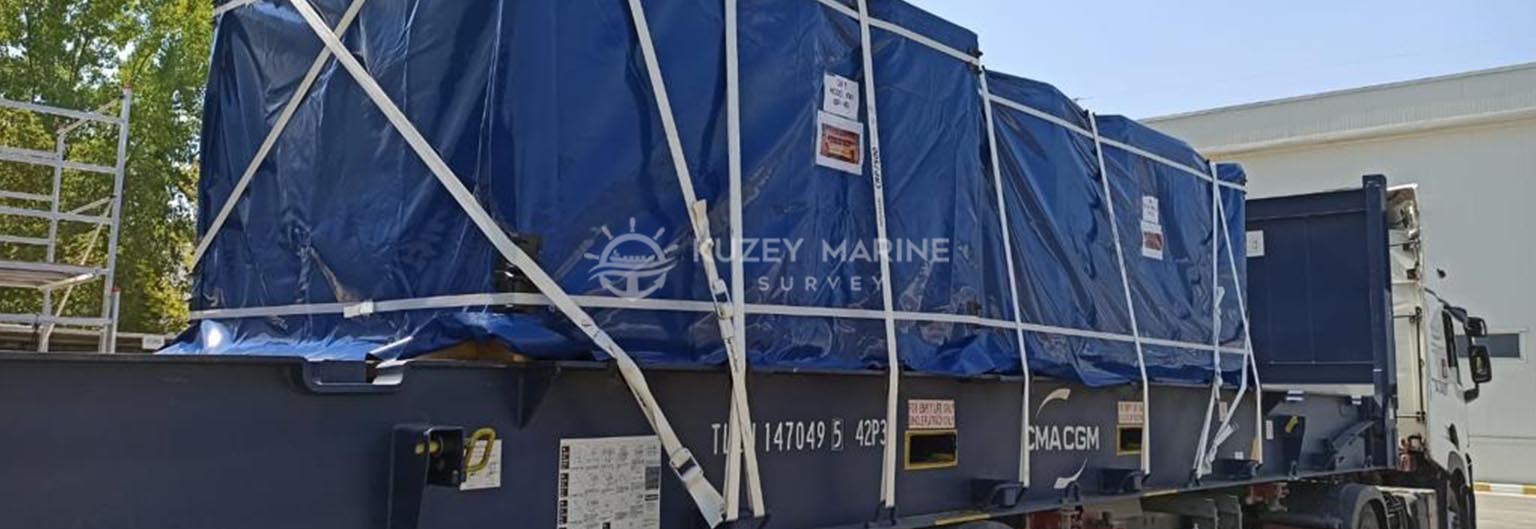
What Is On-Vehicle (On-Deck) Lashing and Why It Matters?
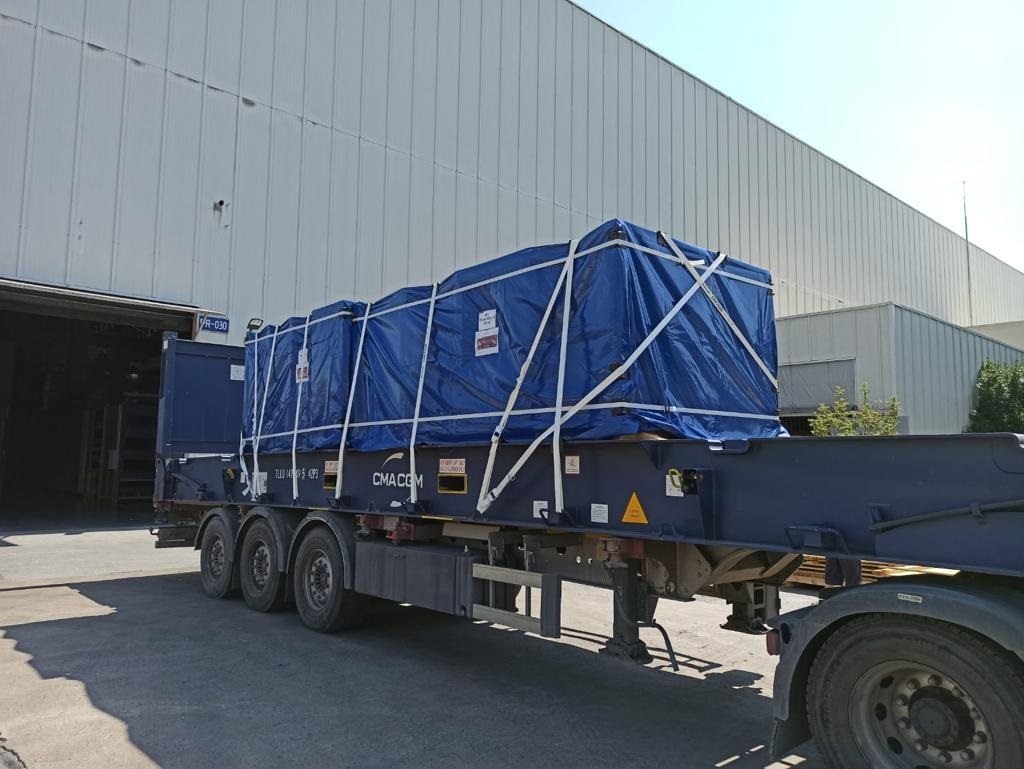
Procedure: Assessment, Securing and Protection
-
-
Assessment & Planning: Determine center-of-gravity, axle loads, chassis strength and vulnerable points for each vehicle. Prepare a securing plan tailored to vehicle type and deck structure.
-
Equipment Selection: Use certified chains, steel wire slings, turnbuckles, tensioning devices, high-strength webbing and certified pad-eyes/anchors. Verify working load limits and certificates.
-
Surface Protection & Blocking: Apply soft pads and wooden chocks to contact points to prevent bodywork and chassis damage; immobilize moving parts of machinery.
-
Securing Execution: Apply multi-point lashing (fore, aft and diagonal), measure and document pre-tension values for each connection. Number and tag all lashings.
-
Inspection & Documentation: Our surveyors perform final checks, capture photographic evidence, and produce a detailed lashing certificate that documents tensions, equipment IDs and maintenance guidance.
-
Risk Reduction, Insurance Support and Operational Benefits
Proper on-vehicle lashing significantly reduces damages, insurance claims and delays. Kuzey Marine Survey’s certified reports are admissible in claim and dispute procedures. Clients receive complete technical records, tension logs and practical recommendations for mid-voyage monitoring and safe un-lashing at destination.