

What Is a Vessel Condition and Damage Prevention Survey?

A Vessel Condition and Damage Prevention Survey is a professional technical inspection carried out to assess and safeguard the operational and structural integrity of a ship. This survey examines critical areas including the hull, machinery, cargo holds, decks, and superstructures. Its primary goal is to ensure safe navigation, minimize potential damage risks, and prevent financial or operational losses that may occur during maritime operations.

The survey begins with reviewing the vessel’s previous damage records, maintenance history, hull deformations, and machinery performance. It provides assurance and risk analysis for shipowners, operators, insurers, and cargo owners. Identified deficiencies are documented, and recommended improvements or repairs are outlined to enhance vessel safety.
Survey Process and Technical Inspection Steps

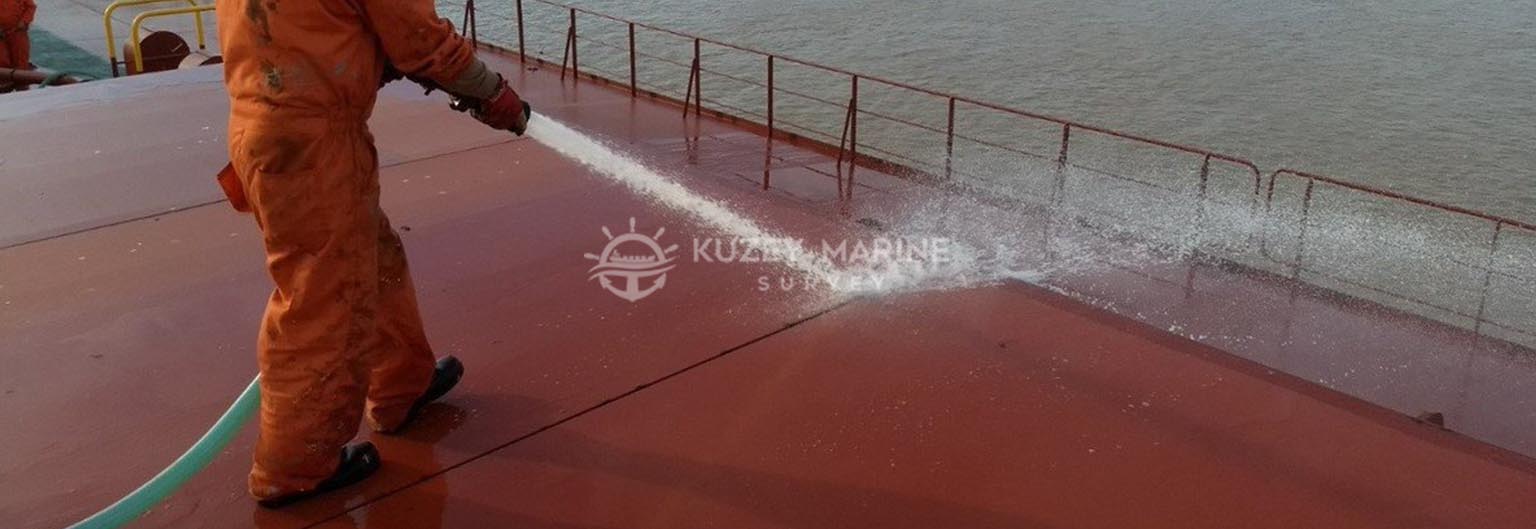
The survey process begins before the vessel enters port or prepares for voyage. Key areas such as hull structure, cargo hold covers, machinery, and onboard equipment are inspected. Surveyors assess the operational performance using visual observations, measurements, and technical evaluations.

1. Preliminary Inspection and Technical Checks

  • Hull deformations, cracks, and corrosion risks are assessed.

  • Cargo hold and tank cover integrity is verified.

  • Machinery and auxiliary equipment performance is evaluated, and maintenance logs reviewed.

  • Navigation and safety systems functionality is checked.

2. On-Site Detailed Observations and Testing

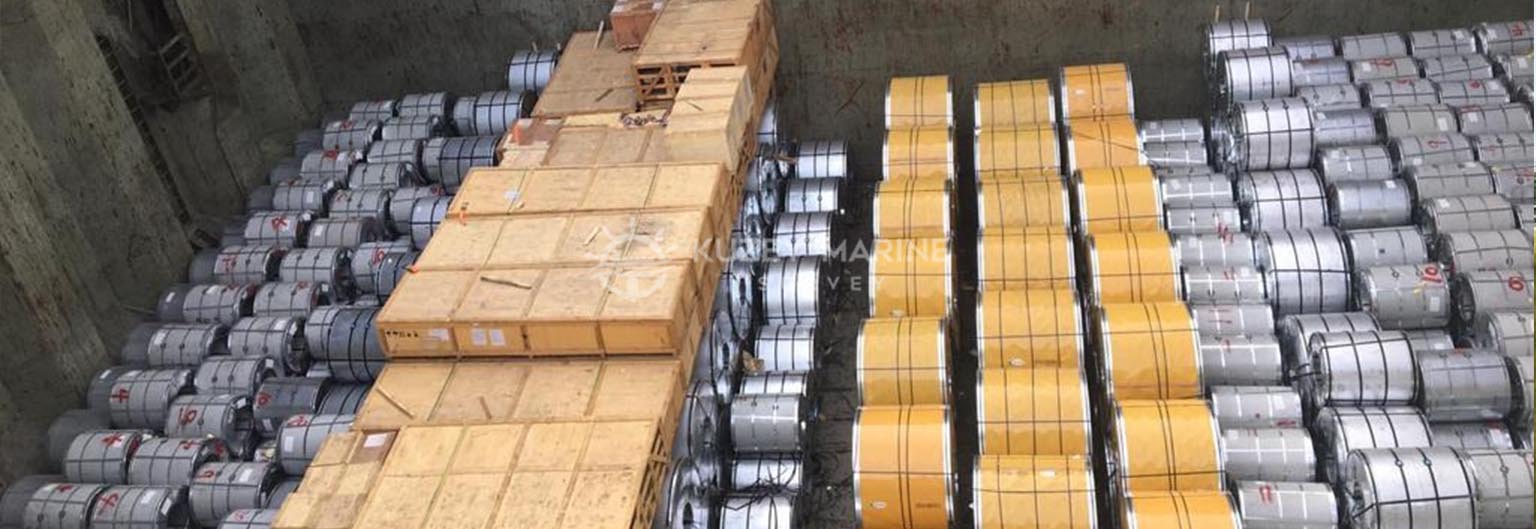
Surveyors inspect holds, decks, and machinery in situ. Simulations of cargo movements and operational forces are performed to test hull durability. Ultrasonic tests, water ingress tests, and other technical instruments may be employed to verify structural integrity.

3. Risk Assessment and Preventive Recommendations

All risks detected are analyzed with potential damage scenarios. Preventive solutions, such as hull reinforcement, lashing optimization, machinery maintenance, and hold improvements are proposed. These measures help prevent costly damages and operational delays during voyages.

Importance of Vessel Condition and Damage Prevention Surveys

Ships face constant risk due to waves, wind, abrupt maneuvers, cargo shifts, and weather conditions. These risks can lead to hull deformation, hold damage, machinery failure, or cargo loss. Damage prevention surveys minimize these risks, ensuring cargo safety, vessel integrity, and crew safety.

Furthermore, survey reports are essential for insurance and legal purposes. They provide an official record for shipowners, operators, and insurers and help prevent potential disputes. Regular surveys extend the vessel’s lifespan, improve operational efficiency, and avoid expensive unexpected repairs.