

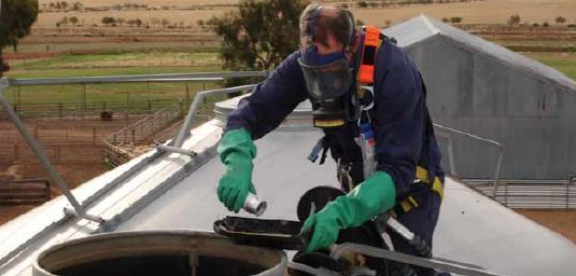
Safe, Efficient and Certified Silo Fumigation Solutions

Silo fumigation is a critical process used to eliminate insects, larvae, eggs and other pests in stored grains such as wheat, corn, barley, rice, legumes and soybeans. Since silos provide a closed and stable environment, they create ideal conditions for pest reproduction. Without professional fumigation, stored products can lose quality rapidly, resulting in mold growth, contamination and severe financial losses.

Kuzey Marine Survey provides internationally certified silo fumigation services, ensuring long-term product safety and compliance with global food protection standards.

Importance of Silo Fumigation

During long-term storage, even a small pest presence can quickly turn into a large infestation. Silo fumigation prevents:

  • Quality degradation

  • Moisture-related damage

  • Pest reproduction

  • Rejection during export inspections

  • Cross-contamination within the facility

Regular fumigation increases storage efficiency and extends the safe storage period of agricultural commodities.

How Silo Fumigation Is Performed

  • 1. Inspection and Operational Planning

    Before fumigation, our experts assess the silo’s structure, sealing condition, ventilation system, type of stored product and moisture levels. Based on this evaluation, the correct fumigant dosage and application method are selected.

    Phosphine fumigation is the most widely preferred method due to its effectiveness and compatibility with grains.

    2. Fumigant Application

    The fumigation process includes:

    • Inserting fumigant tablets deep into the grain mass

    • Distributing fumigation sachets on the upper product surface

    • Sealing all openings and performing airtightness tests

    • Monitoring gas distribution for uniform exposure

    Exposure time varies depending on the silo size and pest level.

    3. Gas Monitoring and Safety Measures

    Kuzey Marine Survey implements global safety protocols:

    • Continuous phosphine concentration measurement

    • Worker safety training

    • Secured fumigation zones

    • Emergency preparedness procedures

    4. Ventilation and Certification

    After the exposure period, controlled aeration begins. Once the gas concentration reaches safe levels, an official clearance certificate is issued.

    All documentation provided by Kuzey Marine Survey meets the requirements of food authorities, importers and inspection agencies.